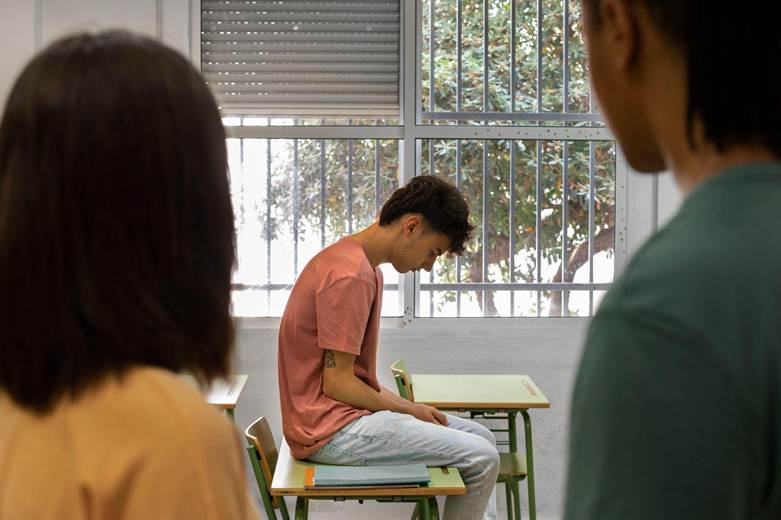
Classrooms serve as more than places of academic instruction—they are environments where children learn to navigate social, emotional, and psychological challenges. Students who have experienced trauma commonly struggle with emotional regulation and interpersonal relationships.
Michael Koffler of Shrub Oak International School recognizes that solutions to these challenges must be trauma-informed, necessitating evidence-based practices but contextualizing them through daily routine, classroom climate, and teacher-student relationships.
Through trauma-informed practice, educators are able to:
- Promote resiliency in students
- Encourage emotional development
- Increase long-term academic and life success
These strategies are not only proactive but preventive as well, preparing students to handle adversity both in and outside of the classroom.
Learning about Trauma-Informed Practices
Trauma-informed education acknowledges that some students arrive at school with the impact of adverse experiences. These can be:
- Chronic stress
- Neglect or trauma
- Disruptive life events
Traditional disciplinary and teaching methods tend to neglect these underlying needs, at times even making anxiety or behavioral deficits worse.
Here are some fundamental principles of trauma-informed teaching:
- Safety—Establishing a physically and emotionally safe space where students feel they can be themselves
- Trustworthiness and Transparency – Predictable routines and clear verbal expectations enable students to know what’s next and can shape day-to-day life in the classroom
- Peer and Teacher Support – Establishing supportive relationships and collaborative learning reduces feelings of isolation
- Empowerment and Choice—Providing students with autonomy and choice fosters more resilient self-efficacy
- Cultural Competence and Intersectionality—Recognizing how identity, background, and systemic conditions influence each student’s experience
Employing these principles, classrooms are realigned from spaces where students get stuck or locked out to spaces where they are respected, valued, and can learn.
Strategies for Developing Classroom Resilience
Awareness of trauma is only the first step. There is a need for thoughtful, research-backed strategies to influence classroom climate and teaching. A few strategies to consider are:
- Structured Routines and Predictability
- Standardized schedules and established routines eliminate anxiety and uncertainty so students can concentrate on learning.
- Emotional Regulation Strategies
- Mindfulness exercises, self-regulation techniques, and visual schedules support students in managing stress and responding adaptively to challenges.
- Collaborative Problem-Solving
- Guiding students to identify challenges, think about solutions, and reflect on outcomes builds social-emotional skills and resilience.
- Strength-Based Feedback
- Emphasis on strengths and progress, rather than exclusive focus on deficits, builds confidence, motivation, and engagement.
- Family and Community Integration
- Involving caregivers in routines, strategies, and supports keeps school and home environments consistent.
These interventions offer a concrete framework for students to build resilience, acquire adaptive skills, and feel confident in working through academic and personal challenges.
The Role of Evidence-Based Interventions
The incorporation of evidence-based practices can serve as a foundation for trauma-informed teaching. These practices draw on insights from developmental psychology, neuroscience, and behavioral science to inform instructional approaches that better support students’ needs.
High-priority evidence-based interventions are:
- Behavioral Interventions – Focusing on positive behavior and offering structured direction for problem behavior
- Social-Emotional Learning (SEL)—Teaching behaviors such as empathy, self-awareness, and problem-solving in a consistent and structured way
- Adaptive Supports for Cognitive and Executive Functioning—Strategies and interventions to promote attention, working memory, and task management, addressing the cognitive effects of trauma
Aligning instructional practices with evidence ensures interventions are effective, responsive, and sensitive to each student’s unique needs.
Preparing Educators to Teach Using Trauma-Informed Instruction
Trauma-informed teaching is not just a set of tools—it needs professional development and teacher training. Main components include:
- Regular Training Workshops and Sessions—Preparing teachers in trauma, neurological effects, and hands-on interventions
- Learning Communities Working Together—Fostering staff to exchange stories, tactics, and observations for consistency and creativity
- Reflective Practice – Facilitating teachers to evaluate intervention effectiveness, modify strategies, and engage in self-care to avoid burnout
Highly trained teachers have an increased likelihood of sustaining classroom resilience and exhibiting adaptive habits for their students.
The Broader Impact on Student Outcomes
Trauma-informed classrooms have an impact on both short-term academic achievement and long-term academic achievement. Students who are brought up in safe, structured classrooms exhibit:
- Better control of emotions and social skills
- Enhanced engagement and fewer behavior issues
- Reduced susceptibility to stress while encountering adversity
- Improved peer and adult relationships
Trauma-informed practice is needed to produce resilient, empowered, and competent learners. By using systematic routines, evidence-based practices, and differentiated teacher training, classrooms can be redesigned so students sense they are accepted, cared for, and prepared for adversity.
Placing trauma-informed practices at the top of the agenda enables educators to address the immediate needs of students while laying the groundwork for long-term academic, social, and emotional achievement.