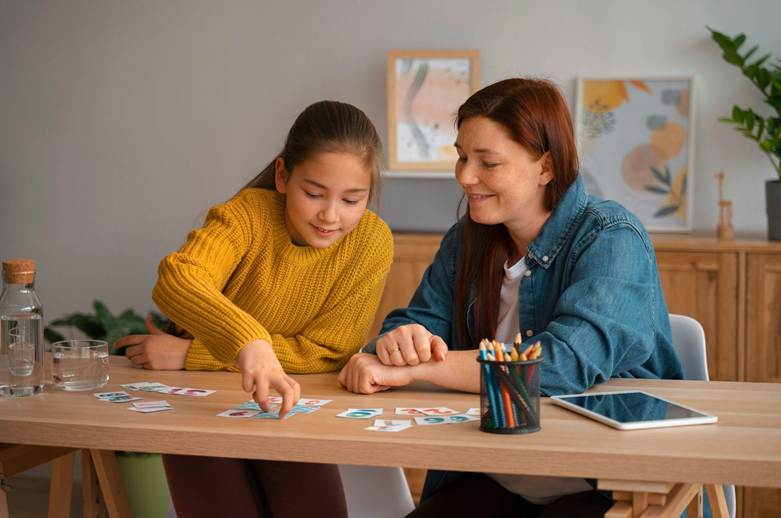
When contemplating the long-term outcomes in autism education, Michael Koffler at Shrub Oak International School emphasizes a shift from support-driven models to self-directed development. Independence is often viewed as an end goal, but in practice, it is a process, one that requires intentional design, evidence-based strategies, and a gradual transfer of responsibility from structured support to personal agency.
Conventional methods of autism education frequently emphasize support systems, therapies, structured routines, and directed interventions. While these are essential, the long-term objective extends beyond support. The real measure of success lies in the ability to build self-direction: the capacity to make decisions, regulate behavior, and navigate environments with confidence and adaptability.
Redefining Independence in Autism Education
Independence is not simply the absence of support. It is the presence of skills, confidence, and internal systems that allows individuals to function effectively across different environments.
- Independence includes decision-making, not just task completion
- It involves emotional regulation, not just behavioral compliance
- It requires adaptability, not just adherence to routine
A redefined approach focuses on building these capabilities over time, ensuring that support systems serve as stepping stones rather than permanent structures.
The Role of Structured Support in Building Autonomy
Support is foundational, but its purpose is developmental, not permanent. Evidence-based interventions create the conditions where self-direction can emerge.
- Applied strategies, such as behavioral interventions, help establish foundational skills
- Speech and occupational therapies support communication and functional independence
- Structured environments reduce overwhelm, allowing skills to develop consistently
The key lies in how support is used. When designed intentionally, it creates opportunities for gradual independence rather than dependency.
From Prompting to Self-Initiation
One of the most critical transitions in autism education is the shift from external prompting to internal motivation and initiation.
- Early stages often rely on guided instruction and clear cues
- Over time, prompts are reduced to encourage independent action
- Self-initiation becomes a marker of growing autonomy
This progression ensures that learners are not just responding to direction but developing the ability to act independently.
Balancing Structure and Flexibility
Structure plays a vital role in autism education, but excessive rigidity can limit adaptability. A balanced approach introduces flexibility within a supportive framework.
- Predictable routines create a sense of safety and consistency
- Gradual variation prepares learners for real-world unpredictability
- Controlled changes build resilience without overwhelming the learner
This balance helps bridge the gap between structured learning environments and dynamic real-world settings.
Emotional Regulation as a Foundation for Independence
Independence is not purely functional; it is deeply connected to emotional and psychological readiness. Without emotional regulation, even well-developed skills can be difficult to apply.
- Recognizing emotional triggers supports self-awareness
- Developing coping strategies enables response rather than reaction
- Safe environments allow learners to practice regulation skills
Trauma-informed approaches play a key role here, ensuring that learning environments are supportive, predictable, and responsive to individual needs.
The Importance of Decision-Making Opportunities
Self-direction grows through practice. Providing opportunities for decision-making is essential for developing autonomy.
- Offering choices in daily routines encourages ownership
- Allowing problem-solving without immediate intervention builds confidence
- Encouraging reflection reinforces learning from decisions
These experiences help learners understand the consequences of actions and develop critical thinking skills.
Family and Community as Partners in Independence
Independence does not develop in isolation. Consistency across environments strengthens the transition from support to self-direction.
- Family involvement reinforces skills outside of structured settings
- Collaborative planning ensures alignment between home and school environments
- Community-based experiences provide real-world application
A unified approach creates continuity, making independence more sustainable and transferable.
Preparing for Life Beyond Structured Environments
Transitioning to adulthood requires more than academic achievement. It involves the ability to navigate complex, less predictable environments.
- Life skills training supports daily functioning and responsibility
- Vocational preparation builds confidence in real-world settings
- Social development enhances communication and relationship-building
Early and consistent focus on these areas ensures that independence is not delayed but developed progressively.
Shifting the Measure of Success
Success in autism education is often measured through observable outcomes such as academic performance or behavioral improvement. A broader perspective includes self-direction as a central metric.
- The ability to initiate tasks without prompting
- Confidence in making decisions and adapting to change
- Resilience in facing challenges and uncertainty
These indicators reflect deeper, more sustainable forms of independence.
Practical Strategies for Supporting Self-Direction
Building independence requires intentional strategies that evolve over time:
- Gradually reduce prompts while encouraging action
- Introduce controlled challenges to build problem-solving skills
- Provide consistent opportunities for choice and decision-making
- Create environments that balance predictability with flexibility
- Reinforce emotional regulation as part of daily learning
These practices ensure that support systems actively contribute to long-term autonomy.
Conclusion
Rethinking independence in autism education requires a shift from providing support to designing pathways for self-direction. Support remains essential, but its ultimate purpose is to build the skills and confidence needed for autonomy.
By focusing on gradual transitions, emotional readiness, and real-world application, it becomes possible to move beyond dependency toward meaningful independence. Through this approach, learners are not just supported; they are empowered to navigate life with confidence, adaptability, and a strong sense of self-direction.